
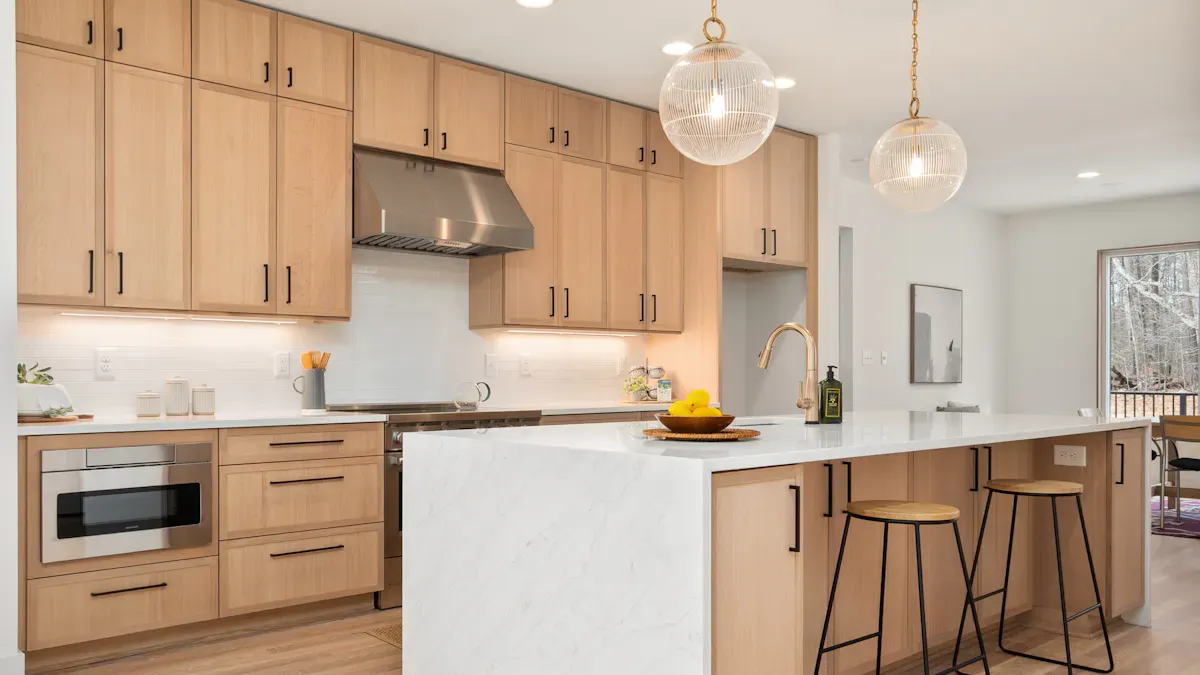
The standard kitchen counter height is 36 inches. This measurement works for most people, whether you’re tall or a bit shorter. Studies show that 36 inches helps keep your back straight and your arms relaxed, which means less strain and more comfort while you cook. You might see different heights in some kitchens, especially if someone loves to bake or has special needs. Kitchen counter height makes a big difference in how easy and safe it feels to work in your space.
Key Takeaways
- The usual kitchen counter height is 36 inches. This height is good for comfort and easy use.
- Think about your own height and what you do in the kitchen. Changing the counter height can make it easier to use.
- For people in wheelchairs, counters should be no higher than 34 inches. This follows ADA rules.
- Bar-height counters are between 41 and 43 inches tall. They work well for eating but are not good for cooking.
- Making the counter height fit your needs can help you enjoy your kitchen more. It can make things easier and better to use.
Standard Kitchen Counter Height
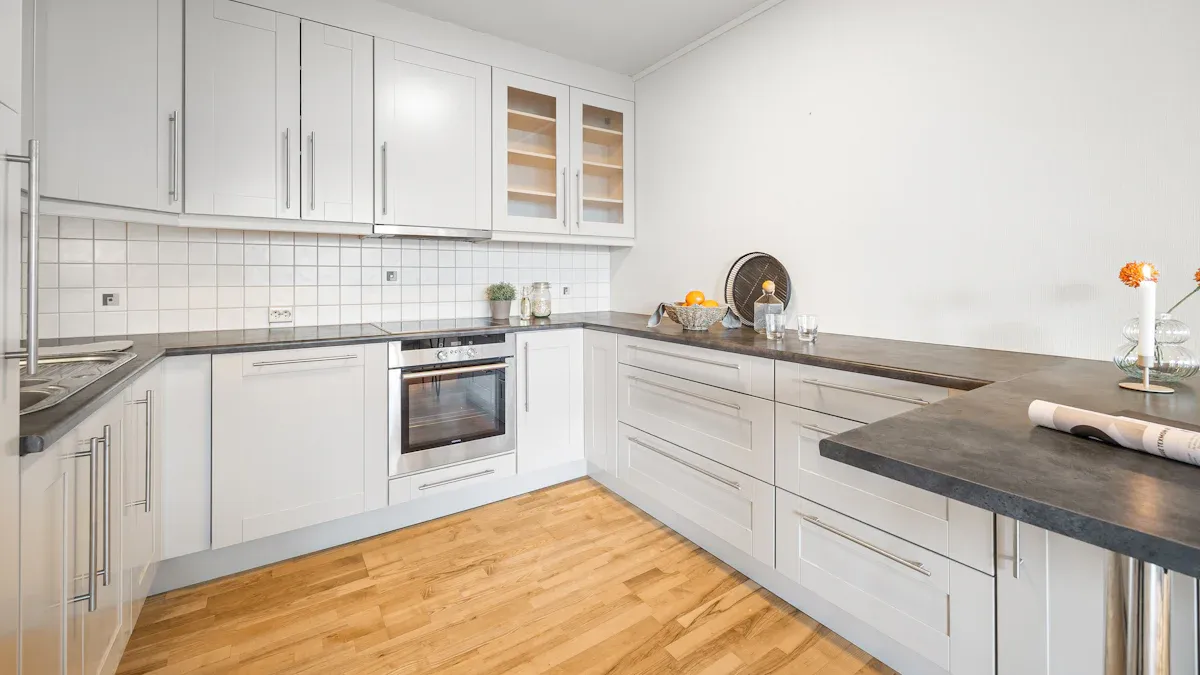
Typical Kitchen Counter Height: 36 Inches
When you walk into most kitchens, you’ll notice the counters all seem to hit about the same spot on your body. That’s not a coincidence! The typical kitchen counter height is 36 inches. This measurement is the sweet spot for most people, making it easy to chop veggies, mix batter, or wash dishes without bending over too much.
Here’s a quick look at what major kitchen design associations say:
| Standard Kitchen Counter Height | Measurement |
|---|---|
| Standard Height | 36 inches (91.44 cm) |
This number isn’t just picked at random. The standard kitchen counter height fits right in the middle of the range you’ll find in modern homes, which usually runs from 35 to 40 inches. Most families find that 36 inches works for everyone, whether you’re tall, short, or somewhere in between.
Tip: If you’re planning a new kitchen, start by thinking about the typical kitchen counter height. It’s a great baseline for comfort and function.
Why 36 Inches Is Standard
You might wonder why 36 inches became the go-to measurement. There are a few reasons this height is so popular:
- The standard kitchen counter height is designed for comfort and ergonomics.
- It helps most people stand straight and work without straining their back or arms.
- This height fits well with most kitchen tasks, from prepping food to cleaning up.
Let’s break down how this number comes together:
- Base cabinets usually measure about 34.5 inches tall.
- The countertop itself adds another 1.5 inches.
- Put them together, and you get the standard kitchen counter height of 36 inches.
This setup isn’t just about tradition. It’s about making sure your kitchen feels good to use every day. The standard countertop height gives you a surface that’s easy to reach and comfortable for most adults.
But what if you want something a little different? Some kitchens have counters as low as 35 inches or as high as 40 inches. Bar-style kitchen islands take things even higher, usually landing between 41 and 43 inches. These taller counters are great for bar stools and casual dining, but they do change how the space feels and works.
- Standard counter height: 35-40 inches
- Bar height: 41-43 inches
- The height difference affects both how you use the space and how it looks
When you think about optimal kitchen counter height, remember that the ideal countertop height depends on your needs and style. Countertop height considerations can include your height, the tasks you do most, and whether you want a spot for bar seating.
Note: Customizing your kitchen counter height is always an option. Some people adjust their counters for baking, while others want a higher spot for entertaining.
In the end, the standard kitchen counter height of 36 inches is popular because it works well for most people and most kitchens. It’s a tried-and-true choice that balances comfort, function, and style.
Kitchen Counter Height Factors
Ergonomics and Comfort
Everyone wants a kitchen that feels nice to use. The right counter height can help you feel comfortable when cooking or cleaning. People are different sizes, so one height may not fit everyone. Here are some things to remember:
- Most adults like counters at 36 inches.
- Taller people may want counters at 37 or 38 inches.
- Shorter people might like counters at 34 inches.
- Multi-level counters can help families with different needs.
Personal comfort is important. If you spend lots of time in the kitchen, adjustable height countertops can be helpful. These let you change the surface level, so everyone can find what works best. Custom cabinetry can also make the kitchen counter height just right for your home.
Accessibility Needs
Some people sit or use wheelchairs in the kitchen. For them, lower counter height is important. The Americans with Disabilities Act (ADA) says counters should be no higher than 34 inches for wheelchair access. Here are some key measurements:
| Requirement | Specification |
|---|---|
| Countertop Height | Maximum height of 34 inches from the floor for wheelchair accessibility. |
| Knee Clearance | Minimum of 27 inches high, 30 inches wide, and 19 inches deep. |
| Toe Clearance | At least 9 inches high for foot space. |
| Work Surface Accessibility | At least one workspace designed for seated users with open knee space. |
| Adjustable Countertops | Multi-level surfaces for both seated and standing users. |
Adjustable height countertops are great for families with different needs. They help everyone use the kitchen safely and comfortably.
Task-Based Variations
Different kitchen jobs need different counter heights. Bakers often like a lower surface for kneading dough. People who chop veggies may want a higher spot. Some kitchens use adjustable height countertops to switch between tasks easily. Professional chefs use special systems to raise or lower worktops for each job.
Tip: Think about what you do most in your kitchen. If you love baking, try a lower counter in one area. If you like to entertain, a higher bar-style counter could be perfect.
Picking the right kitchen counter height helps your space fit your needs. With some planning, you can make a kitchen that feels good for every task.
Codes and Guidelines for Kitchen Countertop Height
Building Codes and Standards
You need to follow rules when planning a kitchen. Building codes and guidelines help keep kitchens safe and easy to use. Most codes say the same thing about counter height, but there are some details to know.
Here’s a quick look at the most common standards:
| Standard | Height (inches) |
|---|---|
| Industry Standard | 34–36 |
| ADA-Accessible Maximum | 34 |
The National Kitchen & Bath Association (NKBA) and most builders use 36 inches for kitchen counters. This height works for most adults. It fits well with base cabinets and countertop thickness. If you need a wheelchair accessible kitchen, the Americans with Disabilities Act (ADA) says counters should be no higher than 34 inches.
Tip: The standard kitchen countertop height is measured from the floor to the top of the counter.
Remodeling and Construction Considerations
Building codes do more than set the height. They also help decide how you design and remodel your kitchen. For example, codes say where you must put electrical outlets. The National Electrical Code (NEC) says you need outlets on kitchen islands. This rule can change how you build or remodel your counters, especially if you want a kitchen island.
- Codes may require outlets in certain spots, which can affect counter height and layout.
- New rules sometimes remove outlets from the sides of islands, so you might need to find new places for them.
- These changes can impact how your kitchen looks and works.
If you are building a new kitchen or remodeling an old one, always check the latest codes. They help you make a kitchen that is safe, comfortable, and up to date. You can customize your counter height, but you must follow the rules for safety and accessibility.
Note: Codes and guidelines are there to help you create a kitchen that works for everyone. Always talk to a professional if you have questions about building codes or special needs.
Custom Counter Height Options
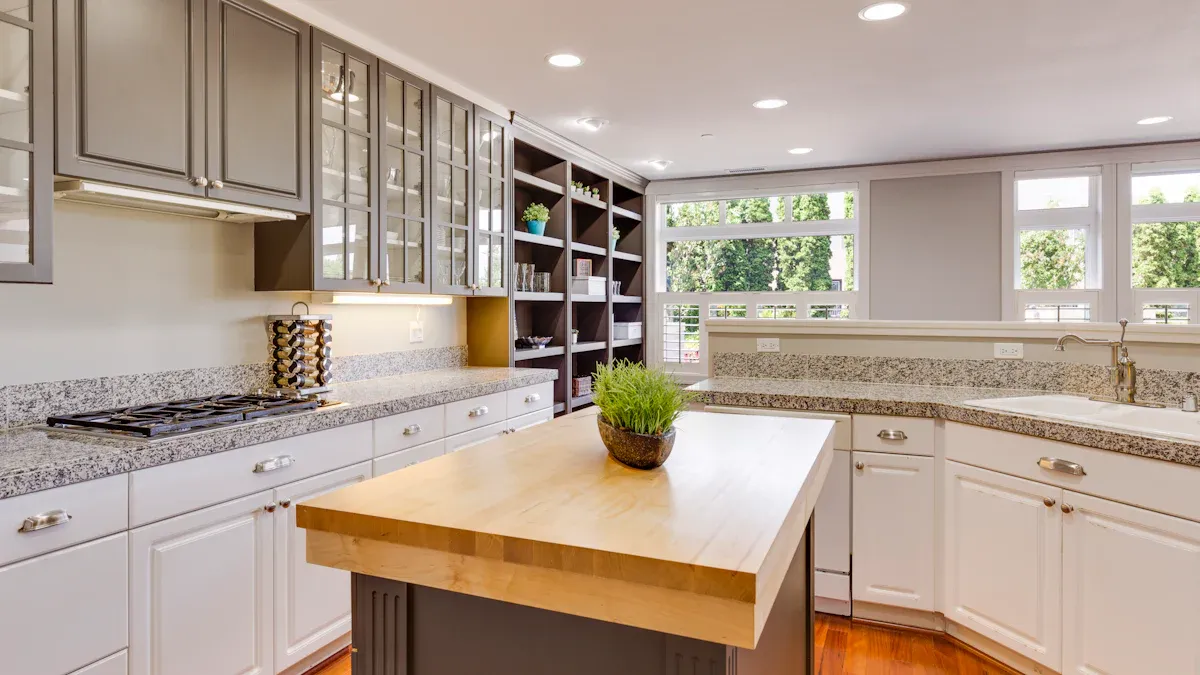
Adjusting for User Preferences
Every kitchen is different because people are different. You can change the counter height to fit what you like. Designers watch how you stand and what you do every day. This helps them pick the best height for you. If you bake a lot, you might want a lower counter. This makes kneading dough easier. If you like to stand tall while cooking, a higher counter might feel better.
Custom cabinetry lets you choose the right height for you. Age is important, too. Kids, adults, and seniors all need different heights. Some kitchens have adjustable systems. These let you change the counter height whenever you want. Here are some popular ways to adjust counters:
| Adjustment Method | Description |
|---|---|
| Manual Adjustment Systems | Set the height by hand when needed |
| Motorized Adjustment Systems | Change height with the push of a button |
| Hydraulic Adjustment Systems | Smooth, easy adjustments using hydraulic power |
Designers also look at what jobs you do most in the kitchen. If you lift heavy things, lower counters help. If you need to do careful work, higher counters make it easier. Making the counter fit you helps you feel comfortable and work better.
Kitchen Islands and Bar-Height Counters
Kitchen islands are great for eating and hanging out. Many people pick bar-height counters for their islands. This is common in open homes. Bar height is usually 41 to 43 inches. This makes a line between the kitchen and where people sit. It is good for parties and having friends over.
- Bar height hides messes in the kitchen, so it looks neat.
- Tall stools help people sit up straight.
- Bar-height islands are mostly for sitting, not for cooking.
| Evidence Type | Description |
|---|---|
| Visual Separation | Bar height divides workspace and seating, perfect for parties |
| Limited Functionality | Bar height is less versatile for cooking or prepping food |
Think about how you use your island. If you want a place to eat and talk, bar height is good. If you need more space to cook, use the standard counter height.
Residential vs. Commercial Kitchens
Homes and restaurants need different counter heights. Most home counters are 34 to 36 inches tall. This feels good for most people and matches most cabinets. Restaurant counters are often 36 to 42 inches high. Taller counters help chefs work fast and safe.
| Kitchen Type | Height (inches) | Height (cm) | Notes |
|---|---|---|---|
| Residential Counter | 34–36 | 86–91 | Most homes |
| Commercial Counter | 36–42 | 91–107 | Professional kitchens |
Safety rules are important in restaurants. Local codes say how high counters can be. Restaurants must have some counters at 34 inches for people in wheelchairs. Higher counters help with heavy tools and busy kitchens.
Tip: Always check local rules before changing counter height, especially in restaurants. Custom heights can make work easier, but safety is most important.
The standard kitchen counter height of 36 inches makes cooking easier and safer for most people. You get comfortable arm movement, less back strain, and smooth workflow. Still, every kitchen is unique. Think about your height, the tasks you do, and your seating style. Here’s how you can find your best fit:
- Adjust the height based on who uses the kitchen.
- Look at what you do most—baking, chopping, or prepping.
- Plan for future needs and accessibility.
If you’re unsure, talk to a kitchen designer or check building codes. Customizing your counter height helps your kitchen feel just right for you.
FAQ
What is the most common kitchen counter height?
The most common kitchen counter height is 36 inches. This height works well for most people and most kitchen tasks.
Can I make my kitchen counters higher or lower?
Yes! You can customize your counter height. Taller people often like higher counters. Shorter people or kids may want lower ones. It’s your choice.
Are bar-height counters good for cooking?
Bar-height counters (41–43 inches) are great for eating or chatting. They’re not the best for cooking or food prep. Standard counters work better for those jobs.
Do building codes require a certain counter height?
Most codes suggest 36 inches for standard counters. For wheelchair access, codes say counters should be no higher than 34 inches. Always check your local rules before building.