
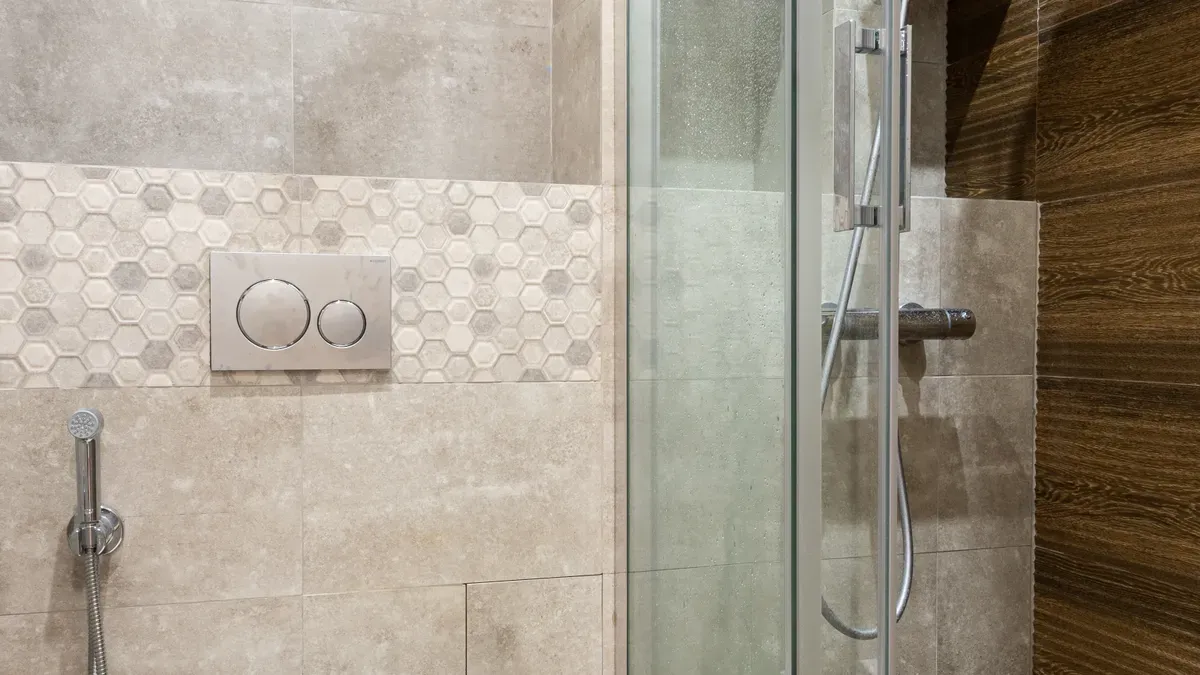
The national average to install a walk-in shower in 2026 is $9,500. Prices can start around $4,500, But in reality, most homeowners don’t care about the national average — they want to know what their own project will cost.
A small bathroom remodel with minimal plumbing changes can cost as little as $6,000–$8,000. However, if you choose custom tile, frameless glass, or need to relocate plumbing, the price can easily exceed $12,000–$18,000.
In other words, your final cost depends less on averages and more on your design choices and existing bathroom layout. The table below shows how the average changes based on shower type:
| Shower Type | Average Cost Range |
|---|---|
| Basic prefabricated unit | $6,500 – $9,000 |
| Mid-range custom shower | $10,000 – $16,000 |
| Luxury custom tile shower | $16,000 – $22,000+ |
| Tub-to-shower conversion | $8,000 – $18,000 |
Many factors affect the final price, such as labor, location, shower size, tile size, shower type, existing setup, and additional plumbing or electrical work.
Key Takeaways
- The average cost to install a walk-in shower in 2026 is $9,500, with most homeowners spending between $6,000 and $12,000.
- Choosing a prefabricated shower can save you money, as they typically cost less than custom options.
- Always ask for a detailed estimate from your contractor to understand all potential costs, including hidden fees like permits and cleanup.
- Comparing multiple quotes helps you find the best value and ensures clarity on the project timeline and waterproofing system.
- Investing in a walk-in shower can increase your home’s value, with an average return on investment of 60% to 70%.
Average Walk-In Shower Installation Cost
National Average and Cost Range
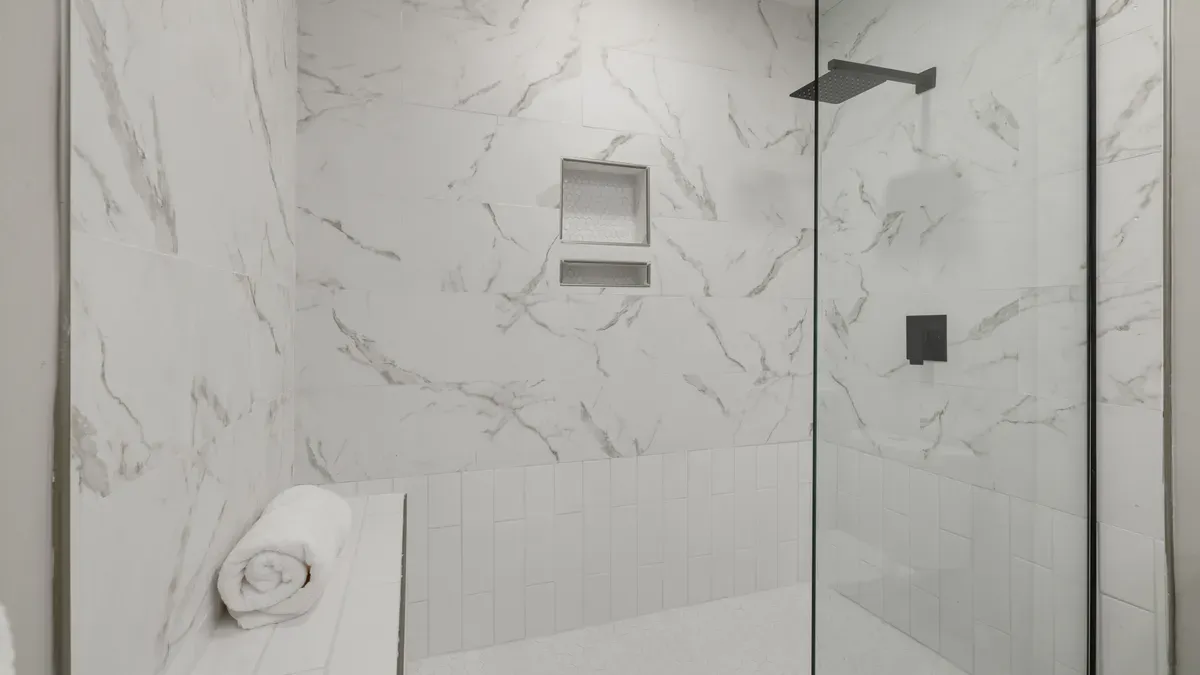
The average walk-in shower installation cost in 2026 is $9,500. Most homeowners pay between $6,000 and $12,000 for a new walk-in shower. Some projects cost as little as $3,000, while luxury installations can reach $25,000 or more. The average cost range covers basic upgrades, mid-range customizations, and high-end custom walk-in showers.
- National average cost: $9,500
- Typical range: $6,000–$12,000
- Lowest reported price: $3,000
- Highest reported price: $25,000+
The average walk-in shower cost depends on the project scope. Basic upgrades with standard materials and minimal plumbing changes usually fall between $6,000 and $10,000. Mid-range customization, which may include some plumbing modifications and better materials, ranges from $10,000 to $14,000. High-end custom walk-in showers with premium finishes and extensive plumbing changes can cost $14,000 to $18,000.
| Project Scope/Customization Level | Cost Range | Key Factors Influencing Cost |
|---|---|---|
| Basic Upgrades | $6,000 – $10,000 | Minimal plumbing changes, standard materials |
| Mid-Range Customization | $10,000 – $14,000 | Some plumbing modifications, mid-range materials |
| High-End Custom Walk-In Showers | $14,000 – $18,000 | Extensive plumbing changes, premium finishes |
Note: The average walk-in shower installation cost can be higher in large cities or for luxury designs.
Prefabricated vs. Custom Walk-In Shower Cost
The walk-in shower installation cost varies based on whether you choose a prefabricated unit or a custom walk-in shower. Prefabricated showers are factory-made and come in standard sizes. Custom walk-in showers are built to fit your space and design preferences.
| Walk-in shower size (inches) | Prefab cost range | Custom cost range |
|---|---|---|
| 30×30 | $1,875–$2,500 | $3,750–$5,000 |
| 36×36 (typical stall) | $2,700–$3,600 | $5,400–$7,200 |
| 36×48 | $3,600–$4,800 | $7,200–$9,600 |
| 30×60 | $3,750–$5,000 | $7,500–$10,000 |
| 32×60 (tub/shower combo) | $4,000–$5,300 | $8,000–$10,600 |
| 42×72 | $6,300–$8,400 | $12,600–$16,800 |
| 60×60 | $7,500–$10,000+ | $15,000–$20,000+ |
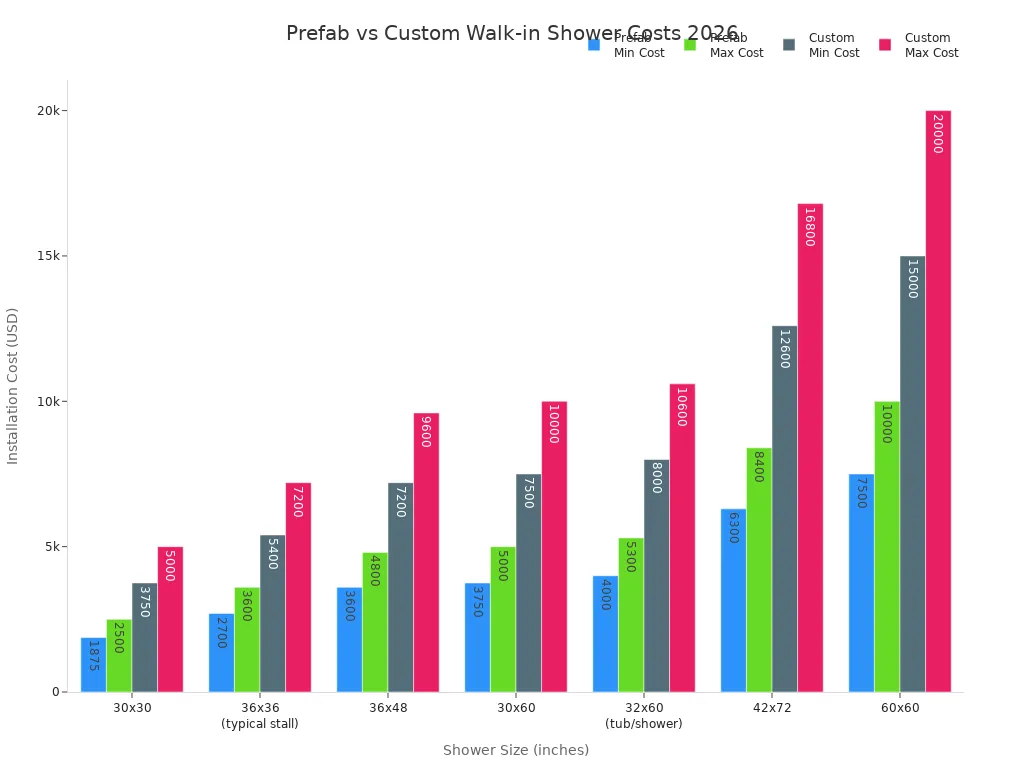
Prefabricated showers usually cost less. They are easier to install and require less labor. Custom walk-in showers cost more because they use higher-quality materials and need more skilled labor. The walk-in shower cost increases with size and complexity. For example, a 36×36-inch prefab shower costs about $2,700 to $3,600, while a custom walk-in shower of the same size costs $5,400 to $7,200.
Real Walk-In Shower Cost Examples
To better understand how pricing works in real life, here are three typical project scenarios:
- Budget Remodel (Small Bathroom)
Cost: $6,500–$8,500
Includes: Prefab base, basic tile, no plumbing relocation
Best for: Rental units or budget upgrades - Mid-Range Custom Shower
Cost: $10,000–$14,000
Includes: Custom tile walls, glass door, minor plumbing changes
Best for: Standard home upgrades - Luxury Walk-In Shower
Cost: $15,000–$22,000+
Includes: Frameless glass, bench, niche, premium tile, full waterproofing
Best for: Master bathroom remodels
What’s Included in Walk-In Shower Cost
A standard walk-in shower installation cost quote in 2026 usually covers several important items and services. Homeowners should know what is included before starting a project.The biggest cost drivers are usually waterproofing, tile installation, and labor — not just the materials themselves.
- High-quality materials for walls, floors, and bases
- Enclosure options such as shower curtains, glass doors, or frameless enclosures
- Add-on features like curbless entry, built-in benches, shelving, and shower niches
- Plumbing changes for new drains or fixtures
- Electrical work for features like steam showers or on-demand water heaters
- Permit fees required by local building codes
- Hardware and fixtures, including towel bars, grab bars, door handles, and shower heads
The walk-in shower installation cost also includes labor for demolition, preparation, and installation. Some estimates may cover cleanup and disposal of old materials. The average walk-in shower installation cost reflects all these components, but it is important to ask for a detailed breakdown from your contractor.
| Cost Component | Price Range |
|---|---|
| Basic prefabricated unit | $6,500 – $9,000 |
| Mid-range custom shower | $10,000 – $16,000 |
| Luxury custom tile shower | $16,000 – $22,000+ |
| Tub-to-shower conversion | $8,000 – $18,000 |
| Main pricing factors | Size, Plumbing Relocation, Waterproofing, Tile & Materials, Accessibility Features |
Tip: Always review your walk-in shower installation cost estimate to make sure it includes all materials, labor, and permits. This helps avoid surprises later.
Factors Affecting Walk-In Shower Cost
Size and Layout
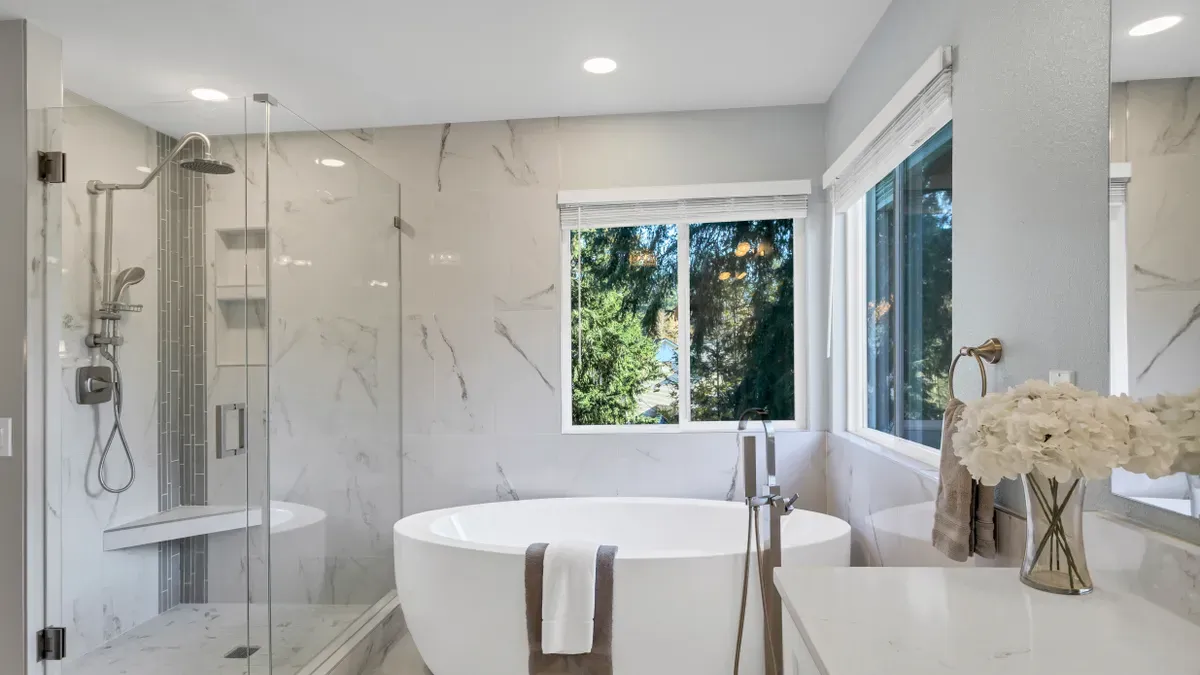
The size and layout of a walk-in shower have a major impact on the final price. Larger showers require more materials and labor, which increases costs. A simple square shower is usually less expensive than a custom-shaped design. For example, a small 30×30-inch shower will cost less than a spacious 60×60-inch model. If the layout needs moving walls or changing the bathroom’s footprint, the price can rise quickly.
Material Choices
Material selection is one of the biggest drivers of shower remodel costs. In 2026, homeowners often choose between Onyx, tile, and prefabricated units. Onyx costs more upfront but installs quickly, which can lower labor expenses. Tile is popular for its look and lower material price, but it requires careful, time-consuming installation. This means higher labor costs. Prefabricated units are the most affordable option and can be installed fast, making them a good choice for those on a budget.
- Onyx: Higher initial cost, faster installation
- Tile: Lower material cost, higher labor cost
- Prefabricated: Lowest overall cost, quickest installation
Labor and Installation
Labor is often the largest part of walk in shower cost. Each step, from demolition to waterproofing to finishing, needs skilled workers. Custom tile showers take more time and skill, which increases labor charges. Prefabricated systems are simpler and faster to install, so they cost less in labor. The complexity of the project, such as adding benches or niches, also affects the total price.
Plumbing and Accessibility Features
Plumbing changes can add a lot to shower remodel costs. Moving drains or water lines is expensive and may require extra permits. Accessibility features, like curbless entries or grab bars, improve safety but also add to the budget. These upgrades are important for people who want a safer, more functional shower, but they do increase the overall cost.
Location and Regional Pricing
Where you live affects the price of materials and labor. In some areas, labor rates are higher, and certain materials may be harder to find. For example, Onyx may cost more in one region than another. Tile installation can also be more expensive in cities with high labor costs. Regional differences mean that two similar projects can have very different price tags across the country.
Tip: Always get multiple quotes to understand how local prices affect your project.
Hidden Walk-In Shower Costs
Many homeowners underestimate these costs — and this is where budgets often go wrong.
In fact, unexpected repairs and plumbing changes are the #1 reason projects exceed their original budget.
When planning a new walk-in shower, many homeowners focus on the main installation price. However, several hidden costs can affect your final budget. Understanding these extra expenses helps you avoid surprises.
Demolition and Removal
Removing an old tub or shower is often the first step. Demolition and removal services usually add $500 to $1,000 to your project. If the old shower has water damage or mold, costs can rise. Some contractors include this in their estimate, but others charge separately. Always ask if demolition is part of your walk in shower cost.
Permits and Inspections
Most cities require permits for bathroom remodels. Permit fees for walk-in shower installation in 2026 range from $300 to $800. Inspections may also be needed to ensure the work meets local codes. These fees protect your investment and help prevent future problems.
Unexpected Repairs
Once demolition begins, hidden issues may appear. Common problems include water damage, rotted wood, or outdated plumbing. Fixing these issues can increase your total cost. Structural modifications, plumbing relocations, and electrical upgrades may also be necessary. The price for these repairs varies, so it is wise to set aside extra funds.
Cleanup and Disposal
After installation, leftover debris and old materials must be removed. Cleanup and disposal services are sometimes included, but not always. If not, expect to pay an additional fee. Proper disposal keeps your home safe and tidy.
| Hidden Cost Type | Estimated Cost Range |
|---|---|
| Demolition and removal | $500 – $1,500 |
| Structural modifications | Varies (consultation needed) |
| Plumbing relocations | Additional costs apply |
| Electrical upgrades | Additional costs apply |
| Ventilation improvements | Additional costs apply |
Tip: Ask your contractor for a detailed estimate that lists all possible hidden costs. This helps you plan your budget with confidence.
Walk-In Shower Cost Comparison & Savings
Walk-In Shower vs. Tub Costs
When comparing walk-in shower cost to traditional bathtub options, the price difference is clear. The average cost to install a walk-in shower in 2026 ranges from $6,500 to $22,000. In contrast, a standard bathtub installation usually costs between $4,000 and $12,000. This means walk-in showers can be much more expensive, especially for custom or luxury models.
| Feature | Walk-In Shower | Bathtub |
|---|---|---|
| Average Cost | $6,500 – $22,000 | $4,000 – $12,000 |
Walk-in showers are among the most expensive upgrades when replacing a standard tub. If you have a tight budget, replacing the tub may be a more affordable choice. However, the cost of replacing a bathtub with a walk-in shower is similar to replacing a tub-shower combo. This walk-in shower vs traditional bathtub cost comparison helps homeowners decide which option fits their needs and budget.
Tips to Lower Walk-In Shower Installation Cost
There are several ways to reduce walk-in shower installation cost without sacrificing quality. Consider these practical tips:
- Choose a prefabricated walk-in shower to save between $6,000 and $18,000.
- Select mid-range materials like ceramic or porcelain tile instead of luxury options.
- Limit the project to essential features only.
- Use a simple shower curtain instead of a glass enclosure.
- Avoid major changes to plumbing or layout.
Tip: Focusing on what you truly need is one of the best ways to reduce walk-in shower installation cost.
Prefab vs Custom: Which One Should You Choose?
Prefab vs Custom: Which One Should You Choose?
If your priority is budget, a prefabricated shower is the most cost-effective option. It installs faster and requires less labor.
If your priority is design, durability, and long-term value, a custom tile shower is the better choice — but it comes with higher labor and waterproofing costs.
Quick decision guide:
- Choose prefab → if budget < $8,000
- Choose custom → if you want a high-end bathroom upgrade
- Avoid over-customizing → if you plan to sell soon
Is a Walk-In Shower Worth the Cost?
A walk-in shower can be a significant investment, but it often adds value to your home. The average return on investment for a walk-in shower installation in 2026 is between 60% and 70%. Some midrange bath remodels, including walk-in showers, can reach an ROI of 80%. Homeowners should weigh the benefits of improved accessibility, modern design, and increased home value against the higher walk in shower cost. By understanding all cost components and making smart choices, you can achieve the best value for your budget.
- The average walk-in shower cost in 2026 depends on material choices, installation complexity, and local regulations.
- Homeowners should review all potential costs, including hidden fees like contractor markups, permits, and warranty coverage.
- Comparing at least three detailed quotes helps you find the best value and ensures the waterproofing system and timeline are clear.
- Customization matters; blend comfort, design, and functionality. Consult professionals to meet building codes and select materials that fit your style.
FAQ
Is $5,000 enough for a walk-in shower?
In most cases, $5,000 is only enough for a basic walk-in shower replacement, not a full remodel.
At this budget, you can typically afford:
- A prefabricated shower kit
- Minimal plumbing changes
- Basic installation
However, if you want tile walls, glass doors, or custom features, costs usually start at $8,000–$12,000 or more.
👉 Bottom line: $5,000 works for simple upgrades, but not for custom showers.
What is the most expensive part of a walk-in shower?
The most expensive part of a walk-in shower is usually labor and tile installation, not the materials.
Key cost drivers include:
- Tile work and waterproofing (highest labor cost)
- Plumbing relocation
- Custom glass doors
In many projects, labor alone can account for 40%–60% of the total cost.
This is why custom showers are significantly more expensive than prefab units.
What is the best material for a walk-in shower?
- Tile: Offers design flexibility and durability.
- Onyx: Installs quickly and resists stains.
- Acrylic: Most affordable and easy to clean.
Choose based on your budget, style, and maintenance preferences.
Does a walk-in shower increase home value?
A walk-in shower can boost home value, especially in master bathrooms. Many buyers prefer modern, accessible showers. The average return on investment ranges from 60% to 70%.
Do I need a permit to install a walk-in shower in the U.S.?
Yes, in most areas of the U.S., you need a permit if the project involves plumbing or structural changes.
Permits are usually required for:
- Moving or modifying plumbing lines
- Changing drainage systems
- Electrical work (lighting, fans)
Simple replacements (same location, no changes) may not require permits, depending on local regulations.
Always check with your local building authority before starting.