
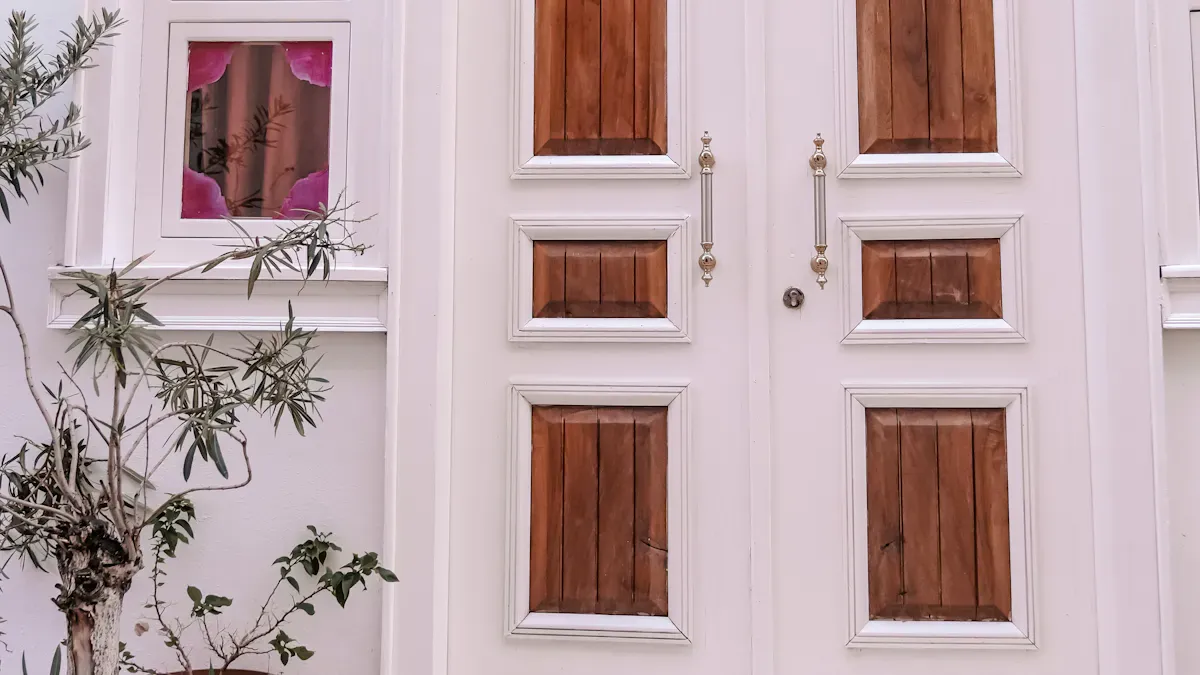
Choosing between a steel vs fiberglass door depends on your needs. Steel entry doors are strong and safe, and they cost less at first. They work best in dry places. On the other hand, fiberglass entry doors offer more styles to choose from and handle bad weather better. They require minimal care. Many people opt for steel for its safety and price, while fiberglass is ideal for those who want style and long-lasting value. The table below illustrates how each door type compares in terms of appearance, maintenance, weather resistance, and cost.
| Priority Category | Steel Doors | Fiberglass Doors |
|---|---|---|
| Appearance and Design | Not many design choices | More style options, looks like wood |
| Maintenance Requirements | Needs paint and rust checks | Almost no care needed |
| Weather Resistance | Good in dry places | Great in all weather |
| Cost Comparison | Costs less at first | Saves money over time |
| Installation Considerations | Heavy, needs careful fitting | Light, easy to put in |
| Environmental Impact | Good for the environment | Eco-friendly choices available |
Key Takeaways
- Steel doors are very strong and safe. They also cost less at first. This makes them good for people who want to save money.
- Fiberglass doors come in many styles. They also handle bad weather better. These doors are great for homes in tough weather.
- Think about saving money over time. Fiberglass doors can cost more at first. But they need less care and last longer.
- Think about what you need most. Do you want more safety, energy savings, or a nice look? This will help you pick steel or fiberglass.
- You must take care of steel doors often to stop rust. Fiberglass doors do not need much care.
Steel vs Fiberglass Door: Quick Comparison
Comparison Table
Choosing the right entry door can be easier when you see the facts side by side. The table below shows how steel vs fiberglass doors compare in the most important areas.
| Attribute | Steel Doors | Fiberglass Doors |
|---|---|---|
| Durability | Can last 30 to 100 years with proper maintenance | Lasts 15 to 20 years with lower ROI |
| Security | Very strong, rarely breaks or warps | More vulnerable to impact, can fracture |
| Energy Efficiency | Insulating core provides good insulation | Excellent insulation, some qualify for tax credits |
| Cost | Typically costs between $200 and $1,000 | Higher upfront cost, can exceed $3,000 |
| Maintenance | Requires more upkeep to prevent rust | Low maintenance, resistant to dents and corrosion |
| Appearance | Limited design options, can show dents | Highly customizable, can mimic wood grain |
Tip: Use this table to quickly spot which door fits your needs best.
Here are the main differences between steel vs fiberglass:
- Steel doors are strong and safe. They last a long time if you take care of them. They can rust or dent, so they need more upkeep.
- Fiberglass doors are easy to care for and look like real wood. They cost more at first but save money on repairs. They can crack if hit hard.
- Steel doors usually cost less to buy. Fiberglass doors can help lower energy bills because they insulate well.
- If you want many style choices, fiberglass is the better pick. If you want top security, steel is the best.
When you compare steel vs fiberglass door options, think about what matters most to you. Some people want a door that saves energy. Others want a door that is strong and safe. The right choice depends on your home and your needs.
Durability: Steel vs Fiberglass
Steel Door Durability
Steel doors are known for their strength. Many people choose them because they can handle bumps and hits. They have a high dent resistance rating, which means they do not get damaged easily from everyday use. However, steel doors can rust if their paint gets scratched or if they are exposed to moisture for a long time. Rust and corrosion can shorten their lifespan. Most steel doors last about 20 to 30 years in a regular home. To keep them in good shape, owners need to repaint or check for rust every few years.
- Steel doors resist dents better than fiberglass.
- They need regular care to prevent rust.
- Their lifespan is shorter if they are not maintained.
Fiberglass Door Durability
Fiberglass doors are made to last a long time. They do not rust, rot, or absorb moisture. This makes them a great choice for homes in wet or humid places. Many fiberglass doors can last over 60 years with normal use. They also keep their energy-saving features and look good for many years. Owners do not need to refinish them often, sometimes only every 10 years or more.
- Fiberglass doors are more durable than steel doors.
- They need less maintenance and do not dent easily.
- They keep their shape and color for decades.
Weather Resistance
Weather can damage doors over time. Steel doors can suffer from rust if water gets inside or if the paint is damaged. They may also have problems with condensation, which can lead to more rust. Fiberglass doors do not have these problems. They do not warp, swell, or twist, even in harsh weather. The table below shows how each type stands up to weather:
| Property | Steel Doors | Fiberglass Doors |
|---|---|---|
| Moisture Resistance | Can rust if scratched or exposed to water | Does not absorb moisture, rot proof |
| Damage from Weather | May rust or corrode from condensation | Resists warping, swelling, and twisting |
| Maintenance | Needs refinishing if damaged | Low maintenance, stays strong in all weather |
Note: Fiberglass doors are a smart choice for areas with lots of rain, snow, or humidity.
Security: Fiberglass vs Steel
Steel Door Security
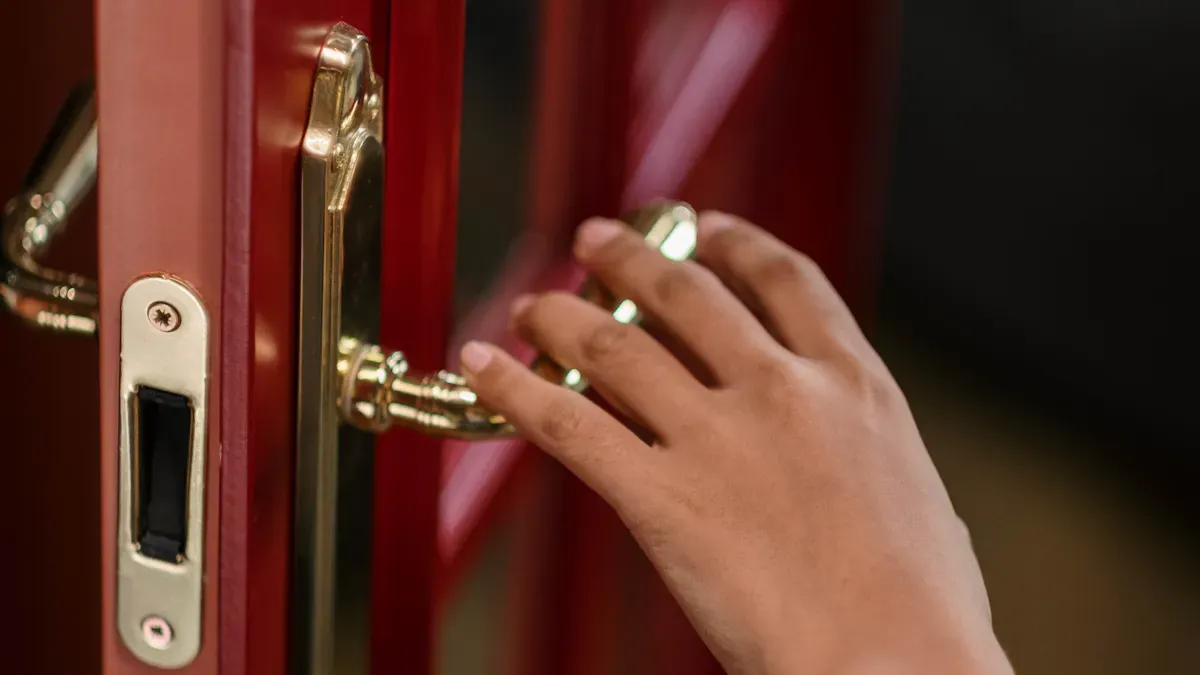
Steel doors are known for being very safe. Many experts say steel entry doors protect homes well. The metal is strong and hard to bend or break. If you add a reinforced frame, steel doors stop most break-ins. Thieves do not like steel doors because they are hard to open. Breaking in takes longer and makes more noise.
Here is a quick look at how steel and fiberglass doors compare in key security features:
| Feature | Steel Doors | Fiberglass Doors |
|---|---|---|
| Strength | High strength and impact resistance | Reinforced with solid cores |
| Break-in Resistance | Very secure, hard to break into | Can offer excellent security with quality locks |
| Durability | Known for maximum security | Varies based on construction |
- Steel doors are tough and keep homes safe because of how they are made.
- They are harder to break into than fiberglass doors.
- Steel doors with a strong frame stop most break-ins better than other doors.
Fiberglass Door Security
Fiberglass doors can also keep homes safe if they have a solid core and good locks. Some fiberglass doors meet forced entry rules and protect homes well. The safety depends on how the door is made and the lock’s quality. Fiberglass doors do not dent or rust, but they might crack if hit very hard. People who pick fiberglass should get doors with strong cores and hardware.
Note: Always check if the fiberglass door you pick meets your area’s safety rules.
Forced Entry Protection
Tests show steel doors pass three big tests for stopping break-ins in many buildings. Fiberglass doors can also pass these tests, but they usually cost more. In the fiberglass vs steel debate, steel doors win for stopping break-ins because they are strong and work well.
| Door Type | Forced Entry Performance |
|---|---|
| Steel Doors | Pass the three commonly specified test criteria for forced entry resistance in government and non-government buildings. |
| Fiberglass Doors | Strong and able to meet forced entry standards; however, generally more expensive. |
When you compare fiberglass and steel, think about how much safety you want. Steel doors give the best protection and last a long time. Fiberglass doors can be safe too if you choose the right kind.
Energy Efficiency: Steel vs Fiberglass
Insulation Performance
A door helps keep heat inside in winter and outside in summer. This is called insulation. Both fiberglass and steel doors have foam inside to help with this. Foam makes the doors better at saving energy. The R-value tells us how well a door stops heat from moving. A higher R-value means the door insulates better.
Here is a table that shows the usual R-values for each material:
| Material | Typical R-Value | Description |
|---|---|---|
| Fiberglass | R-5 to R-7 | High R-values because it is thick and has layers with foam inside, so it insulates very well. |
| Steel | R-5 to R-6 | Usually has foam inside, which helps stop heat from moving through the door. |
Fiberglass doors usually have a higher R-value than steel doors. This means fiberglass doors save more energy and keep your house comfy. Fiberglass is also strong because of how it is made.
Impact on Energy Bills
Picking a door that saves energy can lower your heating and cooling bills. Fiberglass doors can cut energy loss by up to 75% compared to other doors. This means you can save money on your bills over time. Fiberglass doors also keep their inside temperature better than steel doors. They do not let heat or cold move through fast. This helps your house stay warm in winter and cool in summer.
Tip: An energy-saving door can make your house more comfy and help you save money every month.
Choosing between fiberglass and steel doors is important for saving energy. Fiberglass is often the best pick if you want to spend less on energy. It insulates well and is a smart choice for the future.
Cost: Steel vs Fiberglass Door
Upfront Cost
The price of a new entry door can change based on the material you pick. Steel entry doors are often the most cost effective choice for many homeowners. They have a lower starting price and are easy to find. Here is a quick look at the average upfront cost for each type:
- Steel doors usually cost between $148 and $2,281.
- Fiberglass entry doors have a higher average price, ranging from $1,095 to $5,000.
- Installed steel doors range from $700 to $2,000.
- Installed fiberglass doors typically range from $1,500 to $3,000.
- Fiberglass doors can cost 10-30% more than steel doors.
This cost comparison shows that steel is the better option if you want to save money at the start. Many people choose steel for entry door replacement because it fits their budget.
Long-Term Value
When you think about long-term value, it is important to look at more than just the price tag. Maintenance and repair costs can add up over time. Steel doors may need more care because they can dent or rust. Fiberglass doors need less work and last longer. Here is a table that compares the long-term value of each front door type:
| Door Type | Maintenance Costs | Repair Costs | Longevity | Notes |
|---|---|---|---|---|
| Steel | Higher due to dents and rust if not maintained | Moderate | Long-lasting if maintained | Prone to dents and rust; lower initial cost. |
| Fiberglass | Lower due to superior resistance to damage | Low | Very long-lasting | Requires minimal maintenance; does not rot, rust, or warp. |
Fiberglass doors often save money in the long run. They do not need much repair or replacement. Many homeowners find fiberglass to be a smart investment for their entry door. When you look at the total cost over ten years, fiberglass can be the better value, even if it costs more at first.
Tip: Think about both the upfront price and the long-term savings before choosing your next entry door.
Maintenance & Lifespan
Steel Door Maintenance
Steel doors need regular care to stay in good shape. Owners should paint them every six years to stop rust from forming. It is important to check the gaskets often and make sure the hinges get oil once a year. If the paint gets scratched, the door should be re-primed right away. These steps help prevent corrosion and keep the door strong.
| Door Type | Maintenance Tasks |
|---|---|
| Steel Doors | Painting every 6 years, regular gasket checks, annual hinge lubrication, and re-priming to prevent rust. |
Tip: Regular upkeep helps steel doors last longer and look better.
Fiberglass Door Maintenance
Fiberglass doors are easy to care for. They do not need paint as often as steel doors. Most owners only refinish them every 5 to 15 years. Small scratches or marks can be fixed with simple filling and repainting. These doors do not dent easily, so they stay looking new for a long time. Cleaning with soap and water is usually enough.
| Door Type | Maintenance Tasks |
|---|---|
| Fiberglass Doors | Refinishing every 5-15 years, simple repairs, and no denting issues. |
- Fiberglass doors need less work than steel doors.
- They keep their color and shape with little effort.
Repair and Longevity
Steel doors may need repairs more often. Scratches and dents should be fixed quickly to stop rust. Maintenance is needed every one to three years, which can add to the cost over time. Fiberglass doors are almost maintenance-free. They do not need repainting and often come with a lifetime warranty. Owners spend less money on repairs after the first few years.
| Door Type | Maintenance Requirements | Long-Term Costs |
|---|---|---|
| Steel | Occasional repainting, prompt scratch repair | Higher costs every 1-3 years |
| Fiberglass | Simple cleaning, rare refinishing | Lower costs, lifetime warranty often |
Note: Fiberglass doors are less expensive to maintain after three to five years.
Appearance & Style Options
Steel Door Styles
Steel doors are good for homes with a modern look. They usually have simple designs and straight lines. Most steel doors have flat or paneled surfaces. Many people like them because they can be painted. These doors fit best with modern or industrial houses. Factory colors are limited, but you can paint them any color. Here is a quick comparison of style features:
| Feature | Steel Doors | Fiberglass Doors |
|---|---|---|
| Design Flexibility | Not many styles or designs | Lots of designs to pick from |
| Color Options | Few factory colors, can be painted | Many colors, even wood grain choices |
| Ideal Styles | Best for modern homes | Works with many house styles |
Tip: Steel doors are great if you want a simple and modern entry.
Fiberglass Door Styles
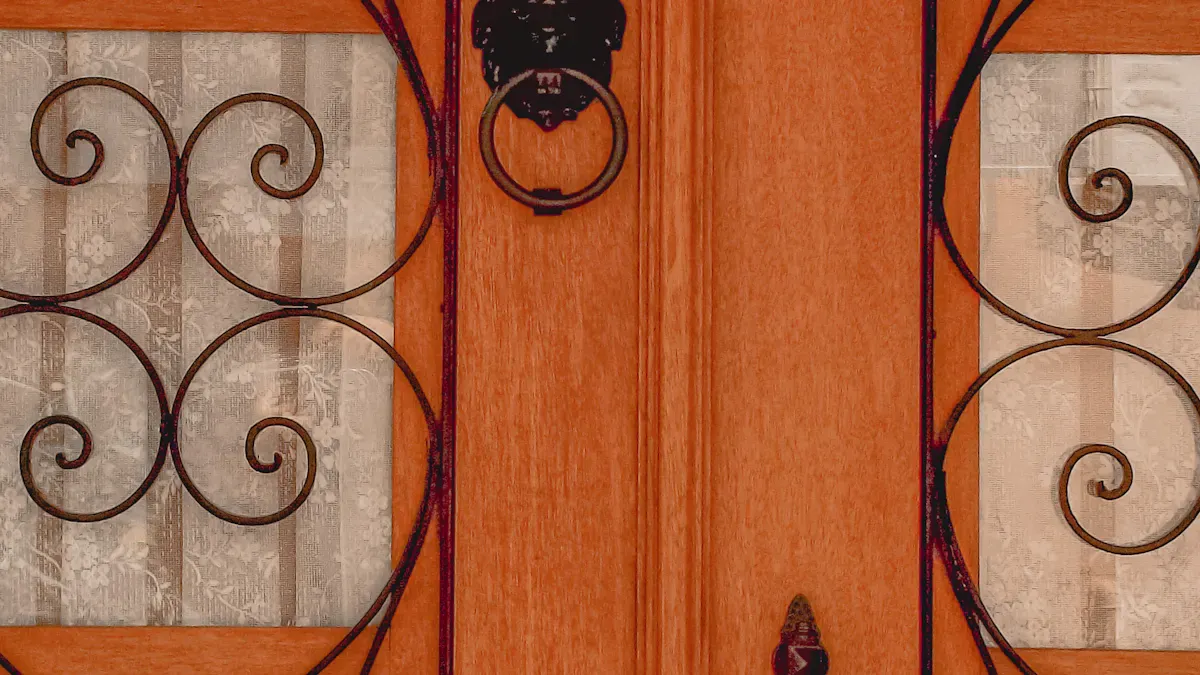
Fiberglass doors give you lots of style choices. They can look like real wood, like mahogany or oak. This adds warmth to your home. These doors work well for old, craftsman, or historic homes. You can choose from many colors and finishes. Some look like stained wood. Fiberglass doors come in different shapes and panel designs. This makes it easy to match your door to your house.
- Looks like wood for a classic style
- Fits modern and old homes
- Has many color and finish choices
Customization & Curb Appeal
A front door can change how your home looks. Both steel and fiberglass doors can make your house look better. Fiberglass doors let you customize more. You can add glass panels, special hardware, or bright colors. Picking the right door makes your house stand out. It can also raise its value. Real estate experts say a new entry door is a great way to improve your home’s look and price.
- A stylish door makes a strong first impression
- Color and design make your entry special
- Good doors show your home is cared for
Note: Changing your entry door is a smart choice. It can help you get more money when you sell your home.
How to Choose: Steel vs Fiberglass
Matching Your Needs
Picking between a steel or fiberglass door means thinking about what you need most. Each type is good for different reasons. Some people want the safest door. Others care more about how the door looks, how much energy it saves, or how much money it will cost over time. The weather where you live is also important.
The table below shows how each door works in tough weather:
| Factor | Fiberglass Doors | Steel Doors |
|---|---|---|
| Insulation Efficiency | Excellent with polyurethane foam | Good, but conducts heat/cold more readily |
| Durability | Highly durable, resists moisture | Very strong but may dent or rust |
| Maintenance | Low maintenance | Requires repainting to prevent corrosion |
| Curb Appeal | Mimics wood, many styles | Limited styles, modern look |
| Cost | Higher upfront, better long-term savings | More cost-effective initially |
| Best For | Energy-efficient homes, humid climates | Security-focused homeowners, budget projects |
If you live where it is very hot or cold, insulation matters a lot. Fiberglass doors have thick foam inside. This helps keep your house warm or cool. Steel doors also have foam, but metal lets heat and cold move through faster. If you want to pay less for energy, fiberglass is a smart pick.
Security is also important. Steel doors are very strong. They help stop break-ins and keep your house safe. Many people pick steel for this reason. If you live where there are storms or strong winds, steel can take hits better than fiberglass.
How your door looks is important too. Fiberglass doors come in many styles. They can look like wood and fit old or new homes. Steel doors look modern but do not have as many style choices.
Taking care of your door is different for each type. Fiberglass doors are easy to care for. They do not rust or bend. Steel doors need paint to stop rust, especially if it rains a lot.
Price is a big deal for most people. Steel doors cost less when you buy them. Fiberglass doors cost more at first but save money later because they last longer and need fewer repairs.
Here is a quick table to help you see which door fits your needs:
| Metric | Fiberglass doors | Steel doors |
|---|---|---|
| Insulation/energy efficiency | Excellent with foam cores | Good, but metal conducts heat/cold |
| Durability | Resists sun and moisture, strong panels | Very strong, may dent or rust |
| Maintenance | Low, just cleaning | Needs repainting, regular checks |
| Curb appeal | Many styles, wood look | Modern, limited styles |
| Cost | Higher upfront, better long-term value | Lower initial cost |
| Best for | Energy efficient homes, humid climates, wood look | Security, budget, high-impact areas |
Tip: Think about what is most important to you—safety, saving energy, style, or price—before you choose.
Buyer Questions to Consider
Before you pick a steel or fiberglass door, ask yourself some questions. These will help you find the best door for your house.
| Feature | Steel | Fiberglass |
|---|---|---|
| Security | Performs well with reinforced frames. | Security depends on frame and installation. |
| Maintenance | Needs touch-ups to prevent rust. | Low maintenance, does not rust. |
| Cost | Lower-cost option. | Higher upfront cost, long-term value. |
| Durability | Can dent, needs care for long life. | Stable in humidity, does not warp. |
| Energy Efficiency | Good insulation, cooler surface. | Slightly warmer feel in winter. |
| Weather Resistance | Needs paint finish to prevent rust. | Resists swelling and corrosion. |
| Appearance | Clean, modern look. | Many styles, can mimic wood. |
Here are some questions to help you decide:
- Do I need the safest door for my house?
- Is my weather rainy, humid, or very cold?
- Do I want a door that looks like wood?
- How much time do I want to spend on care?
- Is a lower price now or saving money later better for me?
- Will my door get a lot of sun, wind, or storms?
- Do I want my house to look nicer from the street?
Note: Some people make mistakes by only looking at price or not thinking about the weather. Always check if the door frame is strong and think about getting a pro to install your door.
Experts say the most important things to think about are fire safety, how long the door lasts, how safe it is, how well it saves energy, and how many styles you can pick. Steel doors often give you the most for your money, sometimes almost double what you spend. Fiberglass doors usually give you back about three-fourths of what you pay. Steel is the cheapest, but fiberglass can save you money over time.
When you look at fiberglass and steel, remember each one is good for different reasons. Fiberglass doors are best if you want to save energy and like lots of styles. Steel doors are best if you want safety and a good price.
If you still have questions or want help, talk to a local expert. For more tips and help with your new door, georgeGroup can help you.
Picking between steel and fiberglass doors is about what you need most. The table shows the main ways they are different:
| Feature | Steel Doors | Fiberglass Doors |
|---|---|---|
| Strength | Very strong | Tough, looks like wood |
| Cost | Costs less at first | Saves money over years |
| Maintenance | Needs more care | Simple to take care of |
| Appearance | Not many choices | Lots of styles to pick |
Think about your weather, how much work you want to do, and your budget for the future. If you need more help, George Group can give you expert tips.
FAQ
What is the main difference between steel and fiberglass doors?
Steel doors offer strong security and cost less at first. Fiberglass doors give more style choices and resist weather better. Each type fits different needs.
Can I paint or stain my new entry door?
You can paint both types. Steel doors need paint to stop rust. Fiberglass doors can be painted or stained to look like wood.
Which door is better for energy savings?
Fiberglass doors insulate better. They help keep your home warm in winter and cool in summer. This can lower your energy bills.
How long do these doors usually last?
Steel doors last about 20 to 30 years with care. Fiberglass doors can last over 60 years and need less maintenance.